
Harwich Homeowner's Guide to Seasonal Landscaping
· By Ronaldo Silva
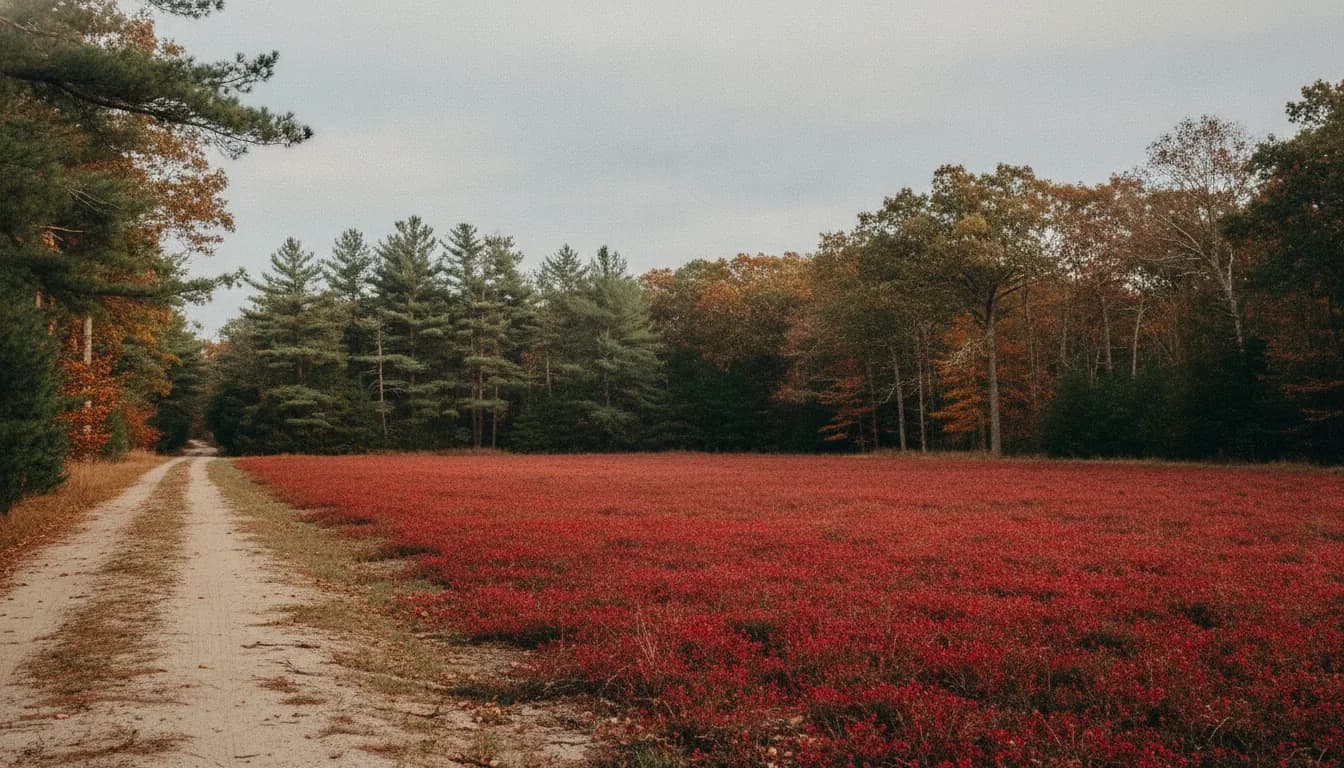
Harwich yards run on a calendar that is a little different from the rest of the country. Many homes here sit empty for part of the year, the town limits when you can spread nitrogen fertilizer, and a single property can deal with salt air, pine needles and pond setbacks all at once. If you own a home in Harwich Port, West Harwich, East Harwich or out by Pleasant Lake, a simple seasonal plan saves a lot of last-minute scrambling.
This guide walks through the Harwich year one season at a time: what to check, what you can do yourself, and when it pays to bring in help. It works for year-round residents and for owners who open the house in late spring and close it in the fall.
Know Your Harwich Yard Before You Plan
Start by figuring out which kind of Harwich property you have, because the yearly plan changes with it. South side homes near Harwich Port and the Nantucket Sound beaches tend to have sunny, sandy lots where grass dries out quickly and salt spray can burn tender shrubs. Inland lots around Long Pond, Seymour Pond, Hinckleys Pond and Pleasant Lake are often wooded, shaded and covered in oak leaves and pine needles every fall.
North Harwich and the Pleasant Lake area are true cranberry country. Harwich is widely credited as the birthplace of commercial cranberry growing, with Alvin Cahoon's bog dating to 1846, and many old bogs still shape the land today. Homes near bogs, marsh or the Herring River often have wet low spots, high water tables and plantings that need to tolerate both soggy springs and dry Augusts.
Walk your property once with a notepad. Mark shady areas, wet areas, spots that stay bare, trees that lean toward the house, and anything within sight of a pond, marsh or bog. That short list tells you which seasonal tasks matter most for your yard.
Spring: Opening the House and Waking Up the Lawn
Spring in Harwich usually starts slower than off Cape, and the first warm week of April can be followed by a cold, damp stretch. Use early spring for cleanup rather than feeding. Rake out matted leaves and pine needles from beds and lawn edges, cut back last year's perennials and ornamental grasses, and pick up branches that came down over the winter.
Harwich does not allow nitrogen fertilizer between November 15 and April 15, so the first feeding of the year waits until after mid April. Most lawns do better if you wait until the grass is actually growing before that first application. Choose a slow release product, keep it off driveways and walkways, and never apply right before a heavy rain.
If you only come down for the summer, schedule the opening cleanup for May so the yard looks finished by Memorial Day. A good opening visit covers bed edging, fresh mulch, a first mow, a check of the irrigation system and a look at any trees that took damage from winter storms while the house was empty.
Summer: Mowing, Watering and Rental Season
Summer is when Harwich yards get the most use and the most heat. Mow high, around three inches or a bit more, so the grass shades its own roots in sandy soil. Weekly mowing during June and July keeps the lawn tidy without stressing it, and you can stretch the interval in August if the lawn slows down.
Water deeply and early in the morning, a couple of times a week instead of a short daily sprinkle. Fast draining Cape soil loses water quickly, so deep watering pushes roots down where moisture lasts longer. Check with the town for any seasonal watering restrictions before setting an irrigation schedule.
If your home is rented in July and August, keep the curb appeal steady. Guests notice overgrown edges, weeds in walkways and shrubs blocking the front steps. A regular mowing schedule with quick trimming passes keeps the property ready for every turnover without the owner needing to be there.
Fall: The Most Important Season in Harwich
Fall is when you set up next year's lawn. September and early October are the best weeks to aerate and overseed, because the soil is still warm and the air is cooler. Core aeration loosens compacted soil from a busy summer, and overseeding fills the thin patches that summer heat left behind.
Plan your last fertilizer application well before the November 15 cutoff. In practice that means early to mid October for most Harwich lawns, which gives the grass time to use the nutrients before it goes dormant and keeps runoff away from the harbors and ponds the town is trying to protect.
Leaves are the big job. Oaks on inland Harwich lots often hold their leaves into November, so one cleanup in October is rarely enough. Many homeowners do an early pass and a final pass after most trees are bare. For summer homes, combine that final pass with the closing visit: cut back perennials, clear gutters near the yard, and store or secure outdoor furniture before the first nor'easter.
Winter: Storm Prep and Tree Checks
Harwich remembers July 23, 2019, when a tornado touched down in town and most homes in Harwich and Chatham lost power, largely from trees on wires. Winter storms bring the same risk on a smaller scale every year. The quiet months are the best time to look up and plan tree work, since bare branches make dead wood and weak limbs easy to see.
Look for dead tops on pines, cracked or hanging limbs, trees leaning toward the roof or driveway, and branches rubbing the house or the power line. Anything large, high or near wires is a job for a professional crew with the right gear, not a ladder and a handsaw.
Working Near Ponds, Bogs and Wetlands
Many of the nicest Harwich lots sit near water, and that comes with extra rules. Under the Massachusetts Wetlands Protection Act and local bylaws, the Harwich Conservation Commission reviews work in or near wetlands, ponds, marsh and coastal banks. Clearing brush, cutting trees, adding a patio or regrading close to the water may need approval before anyone starts.
The safe approach is to ask first. If your project is near Long Pond, the Herring River, a bog or the shoreline, check with the town before you cut or dig. Native plantings and a natural buffer along the water usually make approval easier and help protect the same water you enjoy looking at.
Places like the Bank Street Bogs and Bell's Neck, protected by the Harwich Conservation Trust, are good examples of how native vegetation holds soil and filters runoff. Borrowing that idea for your own shoreline strip can mean less mowing and fewer erosion problems.
How Best Cape Cod Landscaping Helps Harwich Homeowners
Best Cape Cod Landscaping is based in Mashpee and serves every town on Cape Cod, including all of Harwich. We handle spring and fall cleanups, tree service, hardscaping such as patios, walkways and retaining walls, and lawn care with mowing, aeration, overseeding and fertilizing timed around the Harwich fertilizer rules.
Estimates are free with no visit fee, our work is insured, and same-day service is available when the schedule allows. If something is not right after a job, we come back and redo it at no cost. If you want a seasonal plan for your Harwich home, request a free estimate and we will walk the property with you.
Frequently asked questions
- When can I fertilize my lawn in Harwich, MA?
- Harwich prohibits nitrogen fertilizer from November 15 to April 15. Most lawns get a first feeding after mid April once the grass is growing, and a final fall feeding in early to mid October, well before the November cutoff.
- When should I schedule a spring opening for a Harwich summer home?
- May is a good target for most Harwich summer homes. It leaves time for cleanup, edging, mulch, a first mow and an irrigation check so the yard looks finished by Memorial Day.
- How many fall cleanups does a Harwich yard need?
- Wooded lots in Harwich often need two passes, one in October and one after the oaks drop their last leaves in November. Sunny lots near Harwich Port with fewer trees can usually get by with one thorough cleanup.
- Do I need permission to work near a pond or bog in Harwich?
- Often, yes. The Harwich Conservation Commission reviews work near wetlands, ponds, marsh and coastal banks under state law and local bylaws. Check with the town before clearing, cutting trees or building close to the water.
- What is the best time to have trees checked in Harwich?
- Late fall and winter are ideal, because bare branches make dead wood and weak limbs easy to spot. Handling risky trees before storm season costs less than cleaning up after a limb hits the roof or a power line.
Related services
Found this helpful? Make us a preferred source on Google.
Ready for an exact price?
Get a free, no-pressure in-home estimate. Real numbers for your home, not a phone guess.