
Landscaping Near Brewster's Ponds and Bay: What to Plant and Protect
· By Ronaldo Silva
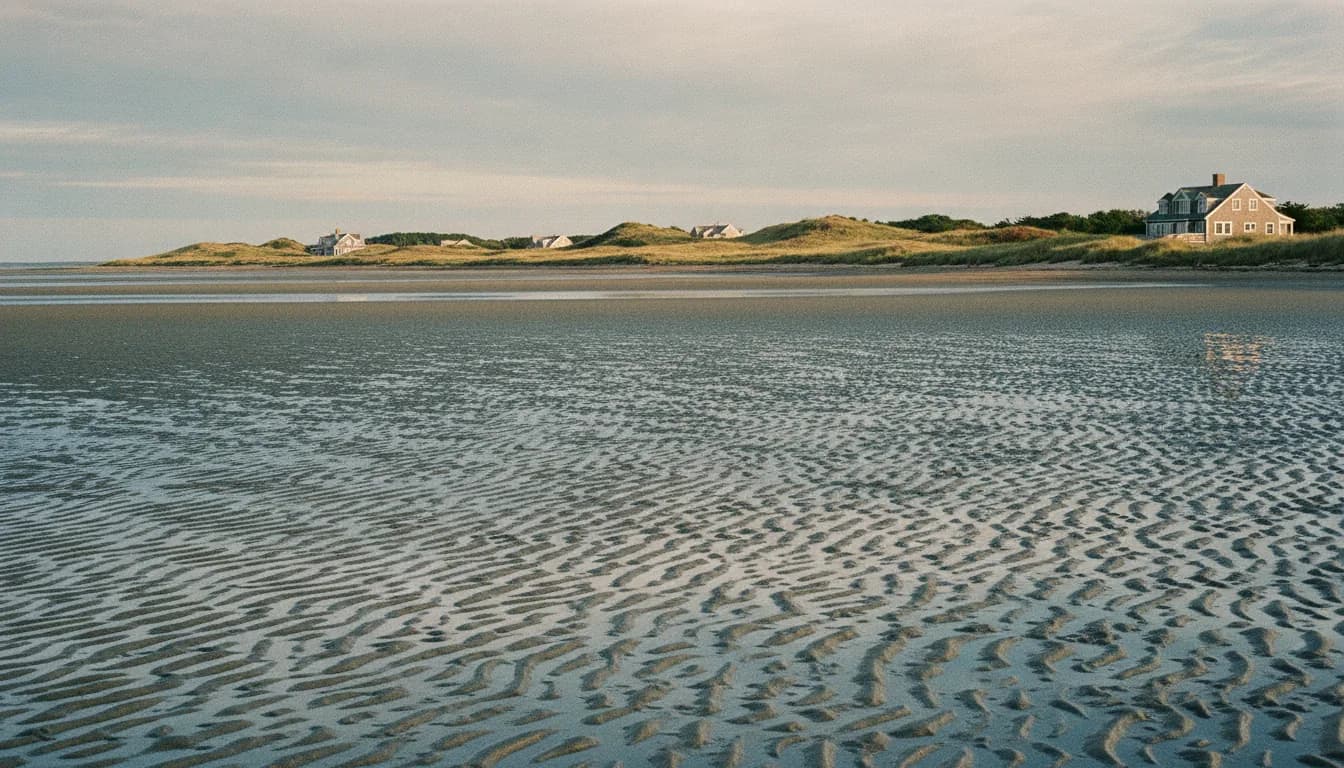
Few Cape Cod towns are as tied to water as Brewster. The town counts 82 mapped ponds, 21 of them Great Ponds larger than ten acres, and its whole northern edge opens onto Cape Cod Bay and the tidal flats. If you own a home here, there is a good chance rain falling on your lawn ends up, sooner or later, in a pond or in the bay.
That changes how landscaping in Brewster, MA should be approached. A yard that looks great but leaks fertilizer and sand into the water is not a win for anyone, including the owner whose property value rides on clear ponds. Happily, a pond friendly yard is usually easier to maintain too.
Below: why the water is so sensitive, what the fertilizer rules ask of you, how to build a buffer, which native plants work, and how to plan the year.
Why Brewster's Water Is So Easy to Harm
The kettle ponds scattered through Brewster are glacial holes that filled with groundwater. Most have no stream feeding them, so whatever seeps into the sandy soil around them travels with the groundwater and eventually reaches the pond. The town itself has noted that its sandy soils let water infiltrate quickly, which is exactly why lawn fertilizer is treated as a real source of nutrient loading here.
In freshwater ponds, the nutrient to worry about most is phosphorus. A little can fuel algae blooms that cloud the water. On the bay side and in the Pleasant Bay watershed toward the east, the concern is nitrogen, which feeds algae in salt marshes and estuaries.
Brewster takes this seriously. The town runs an Integrated Water Resource Management Plan, monitors many of its ponds every year, and works with the Brewster Ponds Coalition on septic and runoff issues.
What the Fertilizer Rules Mean for Your Lawn
Two layers of rules apply in Brewster. The first is state law: under the Massachusetts plant nutrient regulation, phosphorus fertilizer can only go down when a soil test shows the lawn needs it or when you are establishing a new lawn. No fertilizer at all can be applied within 20 feet of a water body with a broadcast spreader, or within 10 feet with a drop spreader that places it more precisely.
The second layer is local. Brewster adopted its own nitrogen fertilizer bylaw for managed turf, developed alongside the Cape Cod Commission's regional fertilizer management effort. It sets limits on how and when nitrogen goes onto lawns in town. Details can change, so check the current version with the town or ask your lawn care provider how their plan follows it.
In practice, most Brewster lawns do fine with far less fertilizer than the bag suggests. Start with a soil test, use slow release nitrogen in light doses, sweep any granules off driveways and walkways so they do not wash into storm drains, and never fertilize right before heavy rain.
Build a Buffer Between the Lawn and the Water
If your property touches a pond, stream or wetland, the single best thing you can do is let a strip of deep rooted plants grow between the grass and the shore. A buffer catches runoff, slows erosion on sloped banks and soaks up nutrients before they reach the water. It also gives pond lots around Long Pond, Sheep Pond and Seymour Pond a finished, natural edge.
Start by not mowing the last stretch of lawn before the water, then fill it in with native shrubs and grasses. Keep a single narrow path to the dock or beach rather than a wide mowed strip, and use a permeable surface like stone or wood chips for it instead of pavement.
Before you dig, regrade or remove vegetation near water, talk to the Brewster Conservation Commission. Work within 100 feet of a pond or wetland can require their review, and cutting shoreline plants without it can lead to a restoration order.
Native Plants That Thrive Near Brewster's Ponds and Bay
Natives are the backbone of a low input Brewster yard because they evolved for sandy soil, salt spray and Cape winters. Once established, most need no fertilizer and little watering. For dry, sunny spots and bay side bluffs, look at bayberry, beach plum, little bluestem, switchgrass and butterfly weed. They handle wind and drought and hold sandy slopes together with their roots.
For pond edges and damp ground, sweet pepperbush (clethra), highbush blueberry, inkberry, winterberry, swamp milkweed and buttonbush do well and support pollinators and birds. Under the pine and oak canopy that covers so much of inland Brewster, try lowbush blueberry, bearberry and native ferns, which tolerate shade and acidic soil better than turf ever will.
Mix shrubs, grasses and perennials so the planting looks intentional, and skip known invasives such as Japanese barberry, burning bush and autumn olive, which spread into the conservation land that surrounds many Brewster neighborhoods.
Patios, Walls and the Old King's Highway
Hardscaping can protect water too. A low stone retaining wall on a sloped pond lot can stop a bank from washing into the water, and a permeable patio or a gravel walkway lets rain soak in instead of sheeting off. Where you do pave, direct downspouts and runoff into a planted area or dry well rather than toward the shore.
Location matters as well. Much of the bay side of Brewster along Route 6A sits inside the Old King's Highway Regional Historic District. If a new fence, wall or prominent hardscape will be visible from the road, the Brewster district committee may need to approve it first. Natural stone and traditional fence styles fit the setting.
For homes on both pond lots and Route 6A, it pays to sort out conservation and historic questions before any material is ordered.
A Simple Seasonal Plan for a Pond Friendly Yard
Spring: clear needles and leaves from beds and the shoreline buffer, but leave some leaf litter under shrubs where it feeds the soil. Take a soil test before deciding on any fertilizer. Summer: mow high, around three inches, so grass shades out weeds and holds moisture, and water deeply but less often, early in the morning.
Early fall is the best time to aerate and overseed Brewster lawns. Thicker turf means less bare, eroding soil, and it often helps more than another feeding. Fall is also the right season to plant native shrubs so roots establish before winter.
Late fall: once the oaks finish dropping, usually in November, do a thorough cleanup so leaves do not smother the lawn or blow into the pond, and have trees near the house checked before winter storms come off the bay.
How Best Cape Cod Landscaping Helps Brewster Homeowners
We are based in Mashpee and serve every town on Cape Cod, including all of Brewster, from the bay side homes off Route 6A to the wooded lots around the ponds. Our work covers fall cleanups, tree service, hardscaping and lawn care, and on water side properties we plan each job to keep soil and nutrients out of the pond.
We are insured, the estimate is free and there is no fee for the visit. When the schedule allows we offer same day service, and if something is not right, we come back and redo it at no cost. If you want help turning your Brewster yard into one that looks good and protects the water, request a free estimate and we will walk the property with you.
Frequently asked questions
- Can I fertilize my lawn if I live on a pond in Brewster?
- Yes, with limits. Massachusetts law bars fertilizer within 20 feet of a water body with a broadcast spreader or 10 feet with a drop spreader, and phosphorus is only allowed if a soil test shows a need or you are starting a new lawn. Brewster also has a local nitrogen fertilizer bylaw, so check its current terms with the town.
- What are good native plants for a Brewster pond shoreline?
- Sweet pepperbush, highbush blueberry, inkberry, winterberry, swamp milkweed and buttonbush all handle damp pond edges on Cape Cod.
- Do I need permission to landscape near a pond in Brewster?
- Often, yes. Work within 100 feet of a pond, stream or wetland in Brewster can require review by the Brewster Conservation Commission, especially if it involves digging, regrading or removing shoreline vegetation. Check with them before starting.
- Is my Brewster property in the Old King's Highway Historic District?
- If your home is on or near Route 6A in Brewster, it very likely is. Visible exterior changes such as fences, walls and some hardscapes may need approval from the Brewster Old King's Highway committee before work begins.
- When is the best time to plant native shrubs in Brewster?
- Early fall is ideal on Cape Cod. Soil is still warm, rain is more reliable and roots have weeks to establish before winter.
Related services
Found this helpful? Make us a preferred source on Google.
Ready for an exact price?
Get a free, no-pressure in-home estimate. Real numbers for your home, not a phone guess.