
Orleans Yard Care: Marsh Edges, Salt Air and Seasonal Timing
· By Ronaldo Silva
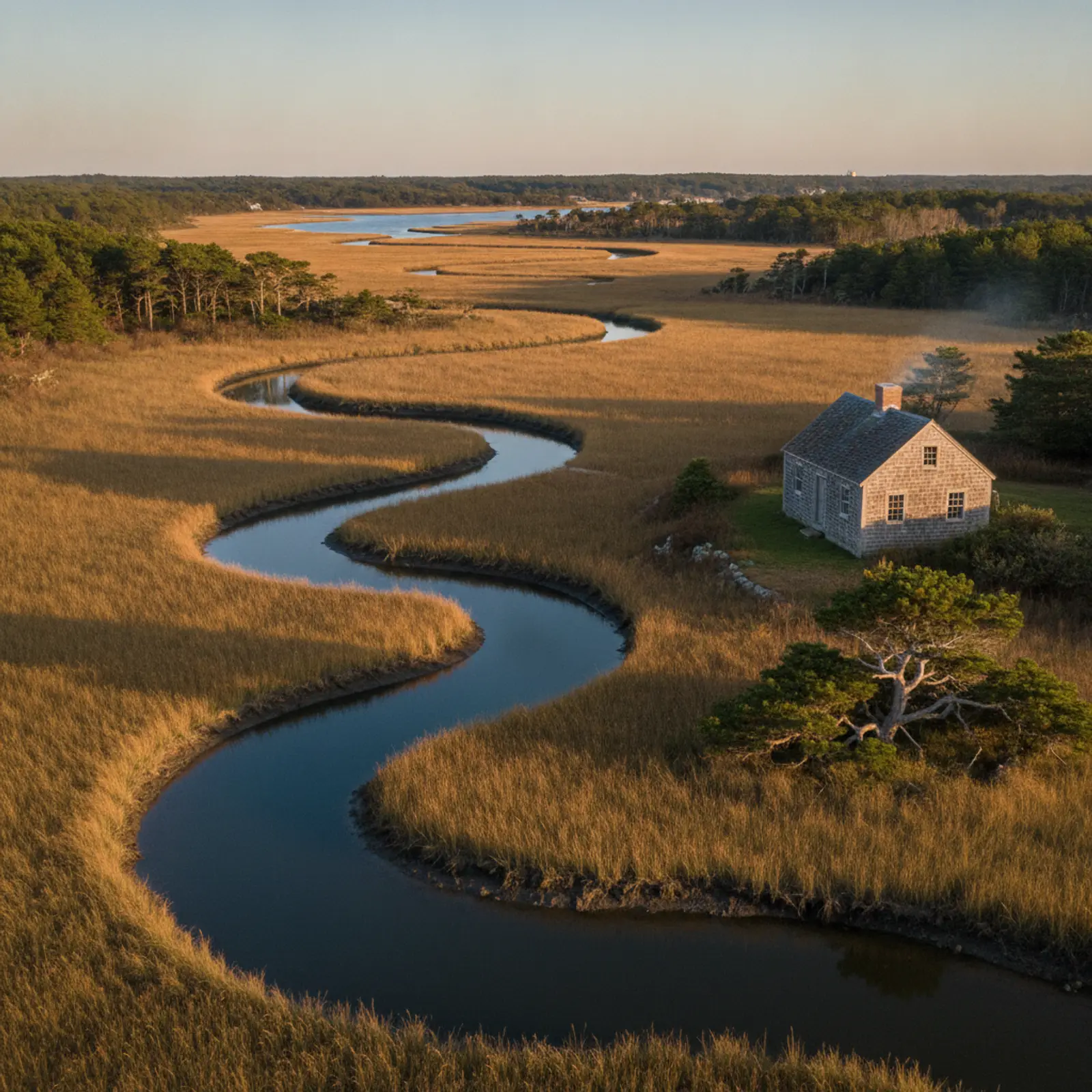
A lot of Orleans yards end where the salt marsh begins. Walk the edge of a property near Town Cove, a cove off Pleasant Bay or the flats behind Rock Harbor and you will usually find a strip where mowed grass gives way to marsh grass, bayberry and wet ground. That transition zone is the part of the yard that causes the most confusion, and it is also the part that matters most to the water.
This guide is for homeowners who want a clear plan for landscaping in Orleans, MA. It covers what you can and cannot do near a marsh edge, which plants hold up to salt air, how the town fertilizer rules shape your lawn calendar, and what to check before storm season.
Reading the Marsh Edge in Your Own Yard
Start by finding where your lawn actually stops behaving like lawn. Signs include grass that stays soggy days after rain, a band of taller marsh grasses, a wrack line of dried seaweed after a high tide, or shrubs like bayberry and groundsel bush that seem to appear on their own. Those clues usually mark the beginning of a wetland resource area or the bank above it.
In Orleans, the Conservation Commission reviews work near marshes, banks, beaches and ponds under both the state Wetlands Protection Act and the town's own wetlands bylaw. Under the town's regulations, the commission generally aims to keep a 50 foot buffer strip next to the resource area, with the closest 25 feet kept in native vegetation. Work farther out, up to about 100 feet, can still be conditioned by the commission.
In plain terms, that means you should not extend the lawn toward the marsh, dump leaves or clippings over the bank, or regrade near the edge without checking first. Routine mowing of an existing lawn is usually not the issue. New patios, new plantings that replace native cover, clearing and grading are the projects that need a conversation with the town before anyone starts.
Plants That Handle Salt Air in Orleans
Salt spray travels farther than most people expect. Homes in East Orleans facing the Nauset side and lots on open stretches of Pleasant Bay can see leaf burn on the windward side of hedges and trees after a strong easterly blow. Bay side yards near Rock Harbor and Skaket get a gentler version of the same exposure, plus wet soil near the marsh.
Native shrubs and grasses tend to do best in these conditions. Northern bayberry, beach plum, inkberry and highbush blueberry are common choices for screening and borders. Switchgrass, little bluestem and seaside goldenrod work well in sunny, sandy spots and look natural next to a marsh.
For foundation beds closer to the house, look for plants rated for coastal exposure and put the most tender ones on the sheltered side of the building. Rinsing evergreens with fresh water after a big salt storm, when it is practical, can help limit browning.
Fertilizer Timing Under the Orleans Bylaw
Orleans has its own nitrogen and phosphorus fertilizer bylaw, Chapter 103 of the town code, first adopted at Town Meeting in 2013. One of its core rules is timing: applying nitrogen or phosphorus fertilizer is prohibited from October 16 through April 14. In practice, your feeding window runs from mid April to mid October.
The bylaw also bans spreading fertilizer onto driveways, roads, sidewalks and other hard surfaces, and requires that any spill there be cleaned up right away. Fertilizer that lands on pavement washes straight toward Town Cove and Pleasant Bay, which the town has worked for years to clean up.
The practical takeaway is to feed less and time it better. A light application in late spring and another in early fall, inside the allowed window, usually does more for an Orleans lawn than heavy feeding. Pair it with September aeration and overseeding so the turf thickens on its own.
A Season by Season Calendar for Orleans Yards
April and May: walk the property once the ground firms up. Clear storm debris and winter leaves from beds, check the marsh edge for anything that blew in, and look over pines and oaks for broken limbs. Hold off on fertilizer until April 15, and wait for soil to warm before seeding.
June through August: mow high, around three inches, so the grass shades its own roots in sandy soil. Water deeply and less often, early in the morning.
September through November: this is the best window of the year for lawn renovation on the Cape. Aerate and overseed in September, finish any fertilizer before October 16, and schedule fall cleanup in stages as the oaks around Pleasant Bay drop their leaves. A final pass after the last leaves fall keeps matted leaves from smothering the lawn over winter.
Storm Prep for Lower Cape Wind
Orleans sits on the elbow of the Cape, and northeast storms reach it with very little in the way. Tall pitch pines in sandy soil, especially ones that lean toward a house or have lost roots to construction, are the trees most likely to come down. Dead branches over roofs, decks and driveways are the other common source of damage.
Late summer and early fall is a good time for a tree check, before the windy season starts. Look for dead tops, cracks where large limbs meet the trunk, mushrooms at the base, and pitch pines that turn brown quickly. With southern pine beetle now confirmed on the Outer Cape, sudden browning of pines is worth having someone look at sooner rather than later.
When to Handle It Yourself and When to Call a Pro
Plenty of Orleans yard work is fine as a weekend project: mowing, light pruning of small shrubs, raking beds, planting natives in existing beds and rinsing salt off evergreens. Keep clippings and leaves out of the marsh and off the bank, and bag or compost them on your own property instead.
Bring in help for anything involving large trees, work near the house or power lines, new hardscaping, grading near a marsh, or a lawn that needs a full renovation. Parts of Orleans are in the Old King's Highway Regional Historic District, which reviews visible exterior changes such as some fences and walls.
How Best Cape Cod Landscaping Helps in Orleans
We are based in Mashpee and serve every town on Cape Cod, including Orleans Center, East Orleans, South Orleans and the neighborhoods around Town Cove, Pleasant Bay and Rock Harbor. Our work covers fall cleanup, tree service, hardscaping and lawn care, planned around the town's fertilizer window and the realities of marsh edge lots.
Estimates are free, with no visit fee, and same-day service is available when the schedule allows. We are insured, and if something is not right, we come back and redo it at no cost. If you are planning fall cleanup, a tree check or a lawn renovation in Orleans, request a free estimate and we will walk the property with you.
Frequently asked questions
- When can I fertilize my lawn in Orleans, MA?
- The Orleans fertilizer bylaw prohibits applying nitrogen or phosphorus fertilizer from October 16 through April 14. That leaves a window from April 15 to October 15. Most lawns do well with a light feeding in late spring and another in early fall inside that window.
- Can I mow or clear near the salt marsh behind my Orleans home?
- Mowing an existing lawn is usually not a problem, but clearing, regrading, new structures or extending the lawn near a marsh can require Orleans Conservation Commission review. The town's regulations generally aim to keep a 50 foot buffer, with the closest 25 feet in native vegetation. Check with the commission before starting new work near the edge.
- What plants grow best in salt air in Orleans?
- Native coastal plants usually perform best, including northern bayberry, beach plum, inkberry, highbush blueberry, switchgrass, little bluestem and seaside goldenrod. Place tender ornamentals on the sheltered side of the house, away from direct wind off Pleasant Bay or the ocean.
- What is the best time for fall cleanup in Orleans?
- Fall cleanup in Orleans works best in stages. Start in October as leaves begin to drop and finish with a final pass in November once the oaks are bare. Leaving leaves matted on the lawn through winter can smother the grass.
- Is there a fee for a landscaping estimate in Orleans?
- No. Best Cape Cod Landscaping gives free estimates in Orleans with no visit fee, and same-day service is available when the schedule allows.
Related services
Found this helpful? Make us a preferred source on Google.
Ready for an exact price?
Get a free, no-pressure in-home estimate. Real numbers for your home, not a phone guess.